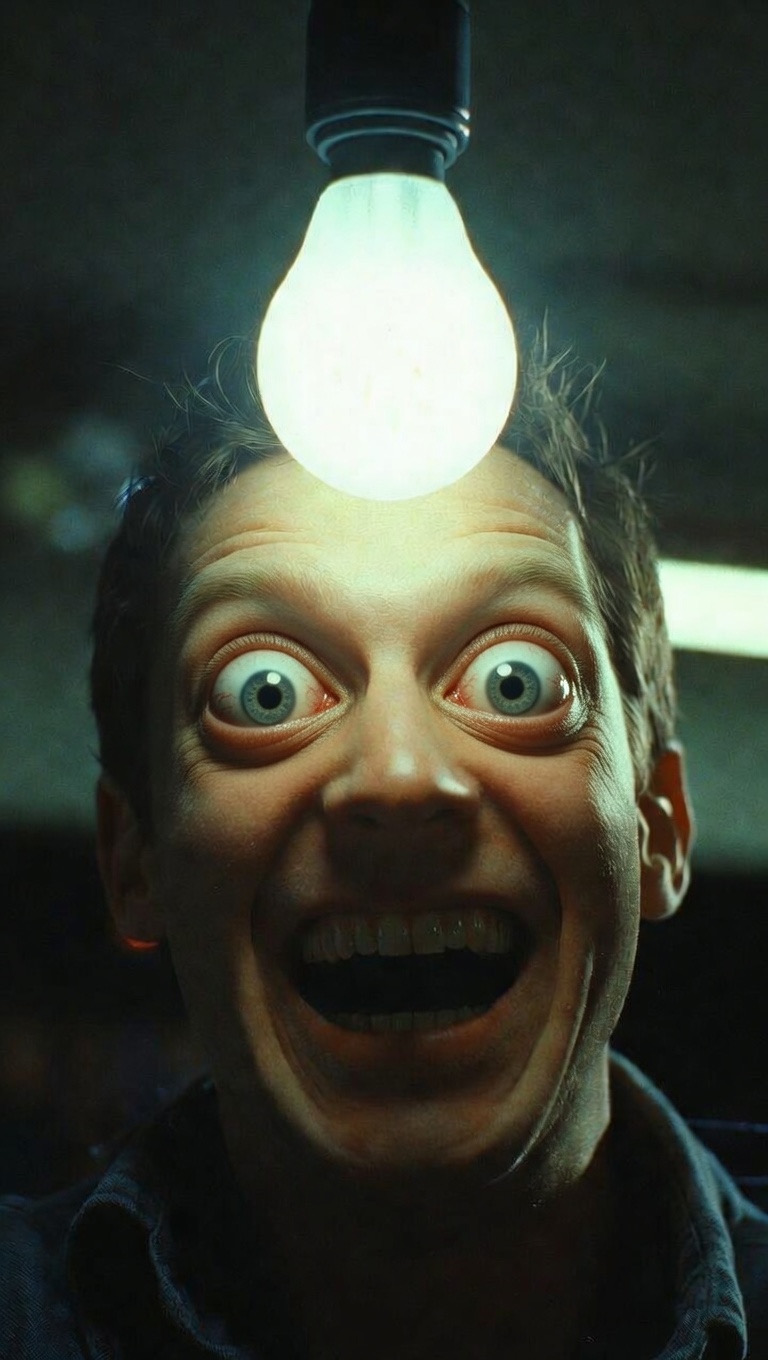
Look, I get it. We're all trying to be smarter with our money these days, especially with energy prices doing their best impression of a rollercoaster. So there I was, smug as hell, marching into the hardware store like some eco-warrior on a mission. I dropped a couple hundred bucks on a pile of those fancy LED bulbs— you know, the ones that promise to slash your energy use by 75% or more compared to those ancient incandescents. I spent an entire weekend climbing ladders, unscrewing old bulbs, and patting myself on the back for being so forward-thinking. "This is it," I thought. "My electric bill is about to plummet. I'll be laughing all the way to the bank."
Fast forward a month: Bill arrives. It's... the same. Maybe even a tad higher. What the actual hell? I double-checked my math, recounted the bulbs, even called the utility company thinking they'd fat-fingered something. Nope. Turns out, the universe has a twisted sense of humor, and switching to LEDs isn't the magic bullet the packaging makes it out to be. If you're nodding along because you've been there, buckle up. I'm about to break down why this happens, factually and without the sugarcoating, because honestly, it's annoying as all get-out.
First Off: Lighting Isn't the Energy Vampire You Think It Is
Let's start with the cold, hard truth that nobody tells you when you're staring at those shiny LED packages in the aisle. In the average U.S. home, lighting only accounts for about 6% of your total electricity consumption. Yeah, you read that right—six measly percent. Back in 2015, it was around 10%, and it's dropped even further thanks to folks like me swapping to LEDs en masse. But even at its peak, it wasn't the main culprit.
Think about it: Your fridge is humming away 24/7, your AC (especially if you're in a toaster oven like Phoenix, Arizona, where summers feel like living on the sun) is cranking non-stop, and don't get me started on that water heater or the army of chargers plugged in everywhere. Those big-ticket items? They're gobbling up 50-60% of your bill easy—heating and cooling alone can be over half. So, even if LEDs use 75-90% less power than old-school bulbs for the same brightness, you're only shaving pennies off a tiny slice of the pie. If your monthly bill is $200, you're looking at maybe $5-10 in savings from lighting alone. Noticeable? Barely. Annoying? Absolutely.
I mean, come on— I replaced like 30 bulbs, and the savings equated to maybe a fancy coffee. If your house is already semi-efficient or you weren't burning incandescents like it was the 1800s, the impact is even smaller.
The Sneaky Rebound Effect: Because Cheap Means Careless
Here's where it gets really condescending toward human nature, including my own. Psychologists call it the "rebound effect," but I call it "being a lazy idiot." When you know your lights are sipping energy instead of guzzling it, you start leaving them on longer. Hallway light? On all night. Bathroom? Forgot to flip the switch. Outdoor floods? Why not illuminate the whole neighborhood?
Studies show this behavior can eat up 10-30% of the potential savings. Globally, even as LEDs take over, total lighting energy use isn't dropping as fast as it should because we're just... using more light. More fixtures, brighter rooms, you name it. I caught myself doing this— "It's LEDs, it's fine!"—and boom, any gains vanished. If you're not disciplined about habits, congrats, you've just subsidized your own forgetfulness.
Other Greedy Gadgets and Life's Little Surprises
Oh, and let's not forget the real bill-killers lurking in your home. Phantom power— that's those vampire devices sucking juice even when "off." Your TV, router, smart speakers? They're quietly adding 5-10% to your bill. Switching bulbs does zilch for that.
Then there's seasonal nonsense. Swapped in summer? Your AC is working overtime, masking any lighting wins. New appliance? That air fryer or EV charger you bought? Yeah, they're offsetting everything. Or how about utility rate hikes? Prices go up, and suddenly your "savings" are invisible. In my case, living in Arizona, where the grid strains under heat waves, rates fluctuate like the stock market. No wonder the bill stayed flat. And if your home still has old, inefficient major appliances—like a fridge from the Stone Age or an AC unit that's more fan than cooler—they're the ones laughing at your LED efforts. Lighting is peanuts compared to running a dishwasher (1,800 watts) or kettle (2,000 watts) for even short bursts.
The Math That'll Make You Groan
Crunch the numbers real quick, because facts don't care about your feelings—or mine. Say you have 20 bulbs, each on for 3 hours a day. Old incandescents: 60 watts each, that's about 10.8 kWh monthly per bulb setup, costing $1-2 depending on rates. LEDs: 9 watts equivalent, down to 1.62 kWh. Savings? Maybe $15-20 a month for the whole house if lighting was your only use. But since it's just 6% of a $150 bill, you're saving $1-2 tops. Pathetic, right? And that's assuming no rebound or other increases.
If you're in a bigger home or leave lights on more, sure, it adds up over years—LEDs last 25,000 hours vs. 1,000 for incandescents, so fewer replacements. But immediate bill drop? Dream on.
So, Was It Worth It? (Spoiler: Kinda, But Don't Get Excited)
Alright, fine, I'll admit: LEDs aren't a total waste. They're better for the planet, reducing carbon emissions and all that jazz. They don't heat up your house like mini furnaces (handy in Arizona's eternal summer), and the longevity means less ladder time. If you're starting from all incandescents, you could save $100-300 yearly in a big setup, but most of us aren't.
The real lesson? Don't buy into the hype without auditing your whole energy hog of a home. Unplug vampires, upgrade that ancient AC, and maybe— just maybe— turn off the damn lights. If I'd known lighting was such a small fry, I might've spent that cash on a smart thermostat instead. Live and learn, folks. Now go check your bill and tell me I'm wrong.
Read more raw exposés in our full article archive or check out our piece on paying politicians the national average wage to see how we can force real accountability.
← Back to Home