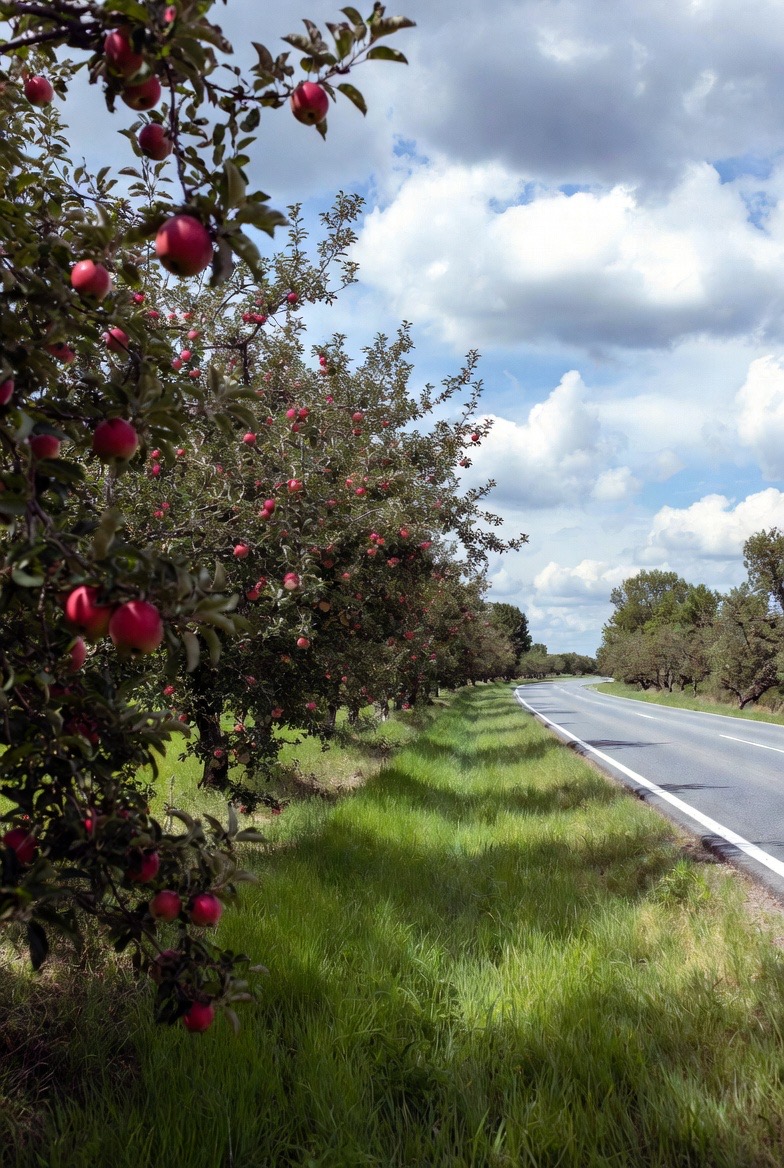
In a world facing economic hardship, climate displacement, and rising migration, simple yet powerful solutions can make a real difference. One idea gaining momentum: planting food-producing trees—fruit, nut, and berry varieties—along highways and in nearby localities. This isn't just roadside beautification; it's a lifeline for people down on their luck, especially migrants traveling long distances with limited resources. It also delivers massive benefits for bees and pollinators, air quality, carbon sequestration, and community resilience. In hot, arid places like Phoenix, Arizona, this could be transformative. Here's why this approach crushes it on every level.
A Safety Net for Hitchhikers
Highways often become corridors for those seeking better lives—hitchhikers, homeless individuals, or low-income travelers facing hunger. Edible trees offering apples, pears, berries, walnuts, or chestnuts provide nutrient-dense, free food that's easy to harvest on the go. No gas station prices, no skipping meals.
Urban food forests and public orchards yield thousands of pounds of free produce annually, reducing pressure on food banks. For families relocating through Arizona's deserts, a roadside plum or mesquite pod could mean sustenance and dignity during grueling journeys. Local harvest events could distribute surplus to shelters, turning highways into community resources.
Critical Support for Bees, Pollinators, and Biodiversity
Bees and pollinators are in steep decline from habitat loss and climate stress. Fruit and nut trees bloom early, delivering nectar and pollen when it's scarce—vital for colony strength. Apple, cherry, and berry trees can boost bee forage, while cross-pollination increases yields up to 60% in return.
These plantings create pollinator corridors, linking fragmented habitats and attracting butterflies, birds, and native bees. In urban Phoenix, where concrete dominates, roadside green strips enhance biodiversity, support agriculture, and build ecosystem resilience against pests and disease.
Environmental Powerhouse: Cleaner Air, Carbon Capture, and Climate Resilience
Highways are pollution hotspots. Trees filter CO₂, NOx, particulates, and more—studies show roadside vegetation can cut downwind pollutants by 30%+. Edible species like nut trees sequester significant carbon through longevity and biomass, while providing shade to combat urban heat islands and reduce AC energy use.
Deep roots stabilize soil, absorb stormwater, prevent erosion, and filter runoff before it hits waterways. In Arizona's climate, heat-tolerant natives like pomegranates, figs, or citrus thrive with minimal water once established, delivering shade, cooling, and noise reduction along busy routes.
Economic and Social Wins: Low Cost, High Impact
Initial planting costs are offset by massive savings: lower healthcare from better air, reduced stormwater management, free food easing social services. Surplus could fuel local markets or job programs in maintenance. Socially, edible public spaces encourage foraging, community events, and mental health benefits from green access—breaking barriers between migrants and locals.
Addressing Real Concerns: Pollution Risks & Maintenance
Contamination worries exist near roads, but studies show tree fruit accumulates minimal heavy metals—mostly in leaves/roots, not edibles. Proper setbacks (10-20+ feet), species selection, and washing produce minimize risks. Maintenance (pruning, watering) can become volunteer or municipal programs, as seen in successful pilots elsewhere.
For Phoenix: Choose low-maintenance, drought-tolerant winners like pomegranates, figs, citrus, peaches (low-chill), or mesquite. Integrate with existing green infrastructure for maximum success.
Time to Act: Turn Highways into Lifelines
Planting food-producing trees along highways is practical, equitable, and multi-benefit. It feeds the vulnerable, saves pollinators, cleans air, fights climate change, and builds stronger communities. In 2026, with migration and environmental pressures rising, this is the kind of bold, no-nonsense solution we need.
Contact local officials, support urban forestry, or advocate in Phoenix—let's make our roadsides work for everyone.
Read more hard-hitting exposés in our full article archive or check out our piece on paying politicians the national average to end corruption.
← Back to Home